
Choosing between a mid taper fade, skin fade, and taper fade can feel confusing when all three haircuts look similar at first glance. However, each style creates a different appearance depending on the fade height, hair length, and blending technique. Choosing the right one helps you get a haircut that matches your face shape, hair texture, personal style, and maintenance routine.
This guide explains the differences between these popular men’s haircuts, their benefits, and how to choose the right option. You will also learn what to tell your barber, which mistakes to avoid, and how to maintain your preferred style.
What Is a Fade Haircut and How Does It Work?
A fade is a haircut technique that gradually transitions from shorter hair to longer hair along the sides and back. Barbers use clippers, different guard numbers, and blending techniques to create a smooth gradient. Depending on your preferred style, the shortest section can leave some visible hair or extend down to bare skin.
Three main factors determine how your fade looks: placement, length, and blending. A low fade starts near the ears, a mid fade begins around the temples, and a high fade starts farther up the sides. The shortest length determines how much scalp becomes visible, while seamless blending prevents noticeable lines between different hair lengths.
Understanding these details helps you communicate your preferences more clearly. For example, requesting a mid fade does not automatically mean you want a skin fade. You can choose a mid-level transition with a guard-2 finish or combine it with a bare-skin section. These details make a significant difference in the finished haircut.
Mid Taper Fade vs. Skin Fade vs. Taper Fade: What’s the Difference?
The main difference between these haircuts involves how the hair transitions, how much scalp becomes visible, and how far the shorter section extends. A mid taper fade combines a mid-level appearance with tapered detailing, while a skin fade takes the hair down to bare skin. A taper fade generally creates a softer finish around the edges while preserving more length through the sides.
| Feature | Mid taper fade | Skin fade | Taper fade |
| Main characteristic | Mid-level transition with tapered detailing | Hair transitions down to bare skin | Gradual shortening around the edges |
| Appearance | Balanced and modern | Sharp and defined | Natural and understated |
| Scalp visibility | Depends on the finish | Visible at the shortest section | Usually limited |
| Styling options | Curls, crops, quiffs, and side parts | Textured tops, crops, and longer styles | Classic and modern hairstyles |
| Maintenance | Depends on the chosen length | Often requires frequent touch-ups | Usually allows a softer grow-out |
These styles are not always mutually exclusive. A mid skin fade, for example, combines a mid-level starting point with a skin-level finish. Similarly, a taper fade can include very short sections around the temples and neckline.
When choosing a haircut, describe the placement and finish separately. This approach helps your barber understand the exact appearance you want instead of relying on terminology that different barbers may interpret differently.
What Is a Mid Taper Fade? Features, Styles, and Benefits
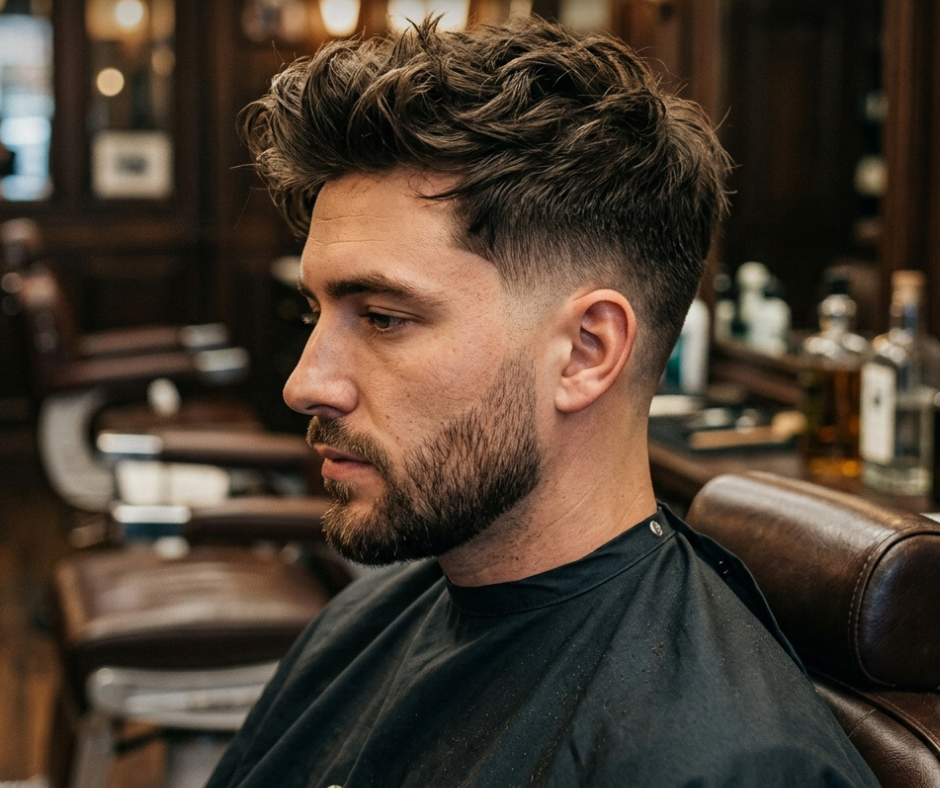
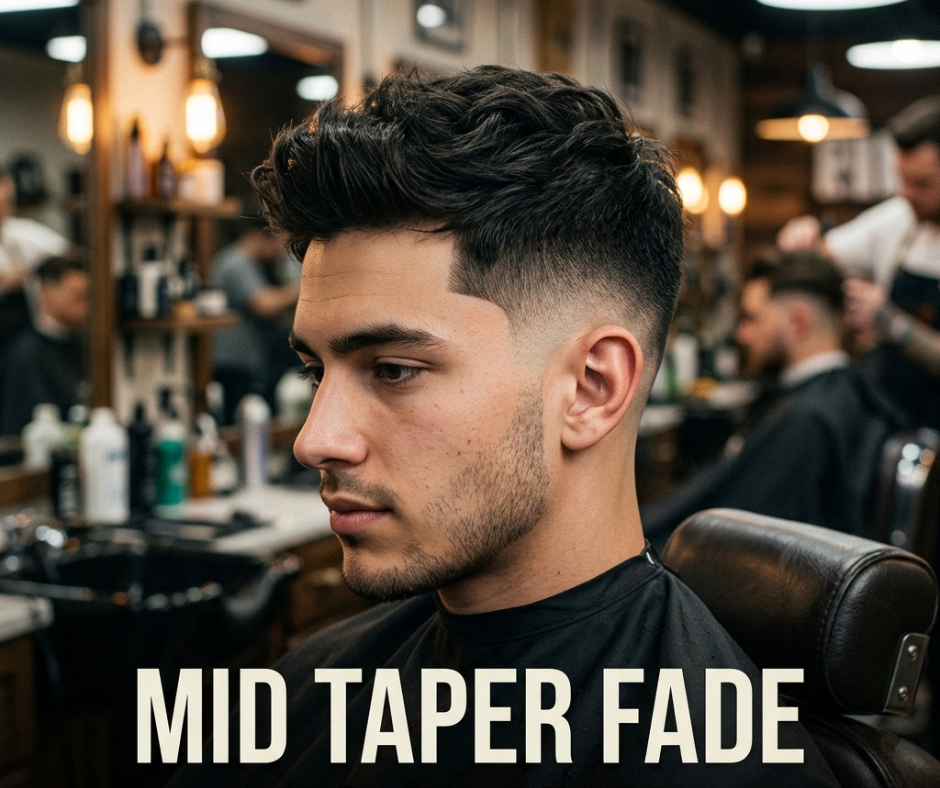
A mid taper fade haircut creates a modern appearance by combining tapered detailing with a transition positioned around the middle of the sides. The barber carefully blends the hair around the temples and neckline while shaping the remaining hair to complement your preferred top length.
One of the biggest advantages of this style is its versatility. You can combine a mid taper fade with a textured crop, curly top, side part, quiff, or brushed-back hairstyle. It works with different hair textures because the barber can adjust the fade and top length to suit your natural growth pattern.
A mid taper fade can also create a clean appearance without requiring a completely bare-skin finish. If you prefer a subtle haircut, ask your barber to preserve some length around the sides. For a sharper result, discuss tighter blending and more defined edges.
Popular variations include a mid taper fade with curls, a textured fringe, or a side part. Each option changes the overall appearance while retaining the haircut’s basic structure. The best variation depends on your styling habits and how much volume you want on top.
What Is a Skin Fade? Types, Appearance, and Benefits
A skin fade gradually blends the hair from bare skin into longer lengths. The barber removes the hair at the bottom of the fade very closely, creating a distinct transition between the scalp and the remaining hair. This technique produces a clean, high-contrast finish that suits many modern hairstyles.
Skin fades come in low, mid, and high variations. A low skin fade keeps the bare-skin section near the ears and neckline. A mid skin fade starts higher around the temples, while a high skin fade creates a more pronounced contrast farther up the sides.
This haircut works particularly well with textured crops, curly tops, short quiffs, and hairstyles that benefit from defined sides. However, a skin fade is not automatically suitable for everyone. Because it exposes the scalp, it may make differences in skin tone or hair density more noticeable.
Maintenance is another consideration. New growth can soften the sharp contrast relatively quickly, so you may need regular touch-ups to preserve the original appearance. If you prefer a softer grow-out or want to avoid exposing much scalp, a longer fade or taper fade may suit you better.
What Is a Taper Fade? Features, Appearance, and Benefits
A taper fade gradually shortens the hair around areas such as the sideburns, ears, and neckline. Compared with a more extensive fade, it often preserves additional length through the sides and back. This creates a neat, understated appearance without removing too much hair.
A classic taper and a taper fade can look similar, although a taper fade may feature a more noticeable gradient. Barbers sometimes use these terms interchangeably, so explain whether you want the sides kept relatively full or shortened more noticeably around the edges.
A taper fade works well with traditional side parts, short textured hair, waves, curls, and longer tops. It can suit people who want a professional appearance without an aggressively sharp finish. The softer transition may also make regrowth less noticeable between appointments.
If you prefer a conservative haircut, ask for a classic taper or a subtle taper fade. If you want more contrast, request tighter blending around the temples and neckline. These small adjustments help you achieve the desired appearance without changing your entire hairstyle.
Mid Taper Fade vs. Skin Fade vs. Taper Fade: Side-by-Side Comparison
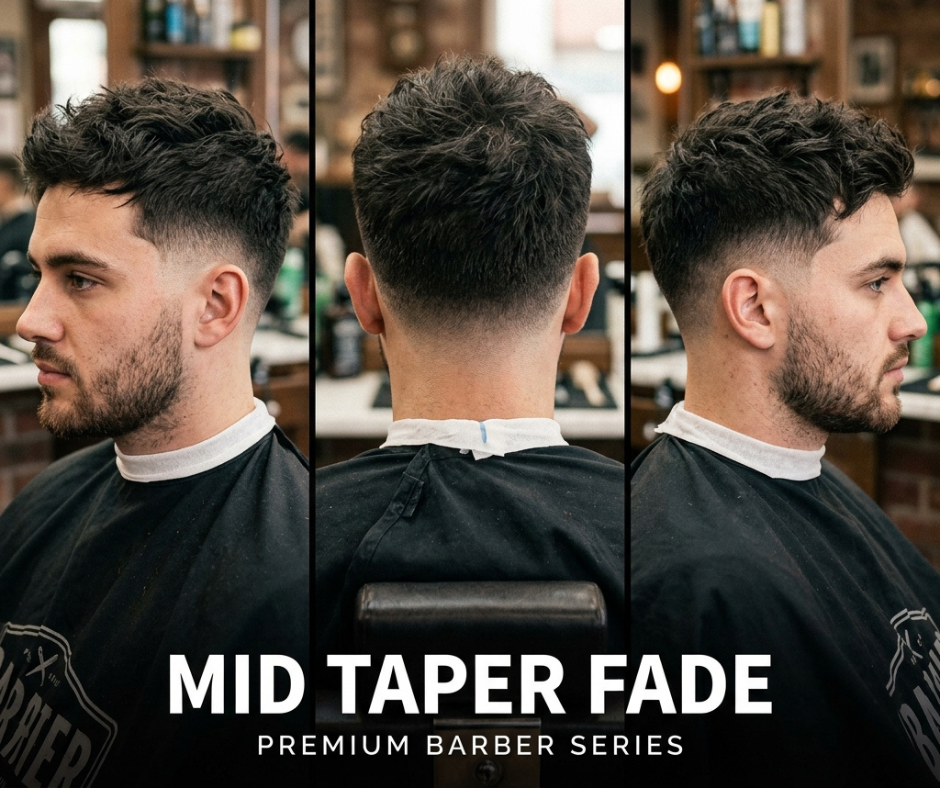
Choosing between these haircuts becomes easier when you consider your preferred appearance, styling routine, and maintenance needs. A mid taper fade offers flexibility, a skin fade emphasizes contrast, and a taper fade generally provides a softer finish.
Your choice should also account for the hairstyle on top. A textured crop can look sharp with a skin fade, while a side part may pair naturally with a taper fade. A mid taper fade provides another versatile option for curls, quiffs, and medium-length styles.
| Consideration | Mid taper fade | Skin fade | Taper fade |
| Contrast | Moderate, depending on finish | Often high | Usually subtle |
| Hair on the sides | Depends on the design | Very short at the bottom | More length often remains |
| Grow-out | Varies with the length | Regrowth may become noticeable quickly | Often grows out naturally |
| Styling flexibility | High | High | High |
| Maintenance needs | Moderate or frequent | Often more frequent | Often less demanding |
| Best reason to choose it | Balanced, adaptable appearance | Crisp, close finish | Classic, natural-looking finish |
There is no universal maintenance schedule or price for these styles. Costs depend on your barber, location, and appointment frequency. If you prefer sharp edges, you may choose more frequent visits. If you want a haircut that remains presentable as it grows, consider a softer taper.
How to Choose the Right Fade for Your Face Shape and Hair Type
Your face shape, hair texture, and hair density can help you decide which fade to request. However, these factors should guide your choice rather than restrict it. A skilled barber can adjust the fade height, side length, and top shape to create a balanced result.
For a round face, a mid or high fade combined with some height on top can create a more elongated appearance. If you have a long face, a lower fade or additional width through the sides may help balance your proportions. Oval faces generally accommodate a wide range of styles, while square faces can work well with either soft tapers or sharper fades.
Hair texture also matters. Straight hair can reveal blending lines more clearly, making precise clipper work important. Wavy hair adds movement, while curly and coily hair can create an attractive contrast between the top and shorter sides. Thick hair may benefit from removing excess bulk, whereas fine or thinning hair may look more balanced with a softer transition.
Consider your preferred top length as well. Short crops often pair naturally with close fades, while longer hair may look balanced with a mid taper fade that preserves some fullness around the sides. Tell your barber how you normally style your hair so the finished cut suits your everyday routine.
How to Maintain a Fade and Avoid Common Haircut Mistakes
Maintaining a fade starts with choosing a style that matches your grooming routine. A skin fade may require more frequent touch-ups because regrowth becomes noticeable against the bare-skin section. A taper fade often grows out more subtly, while a mid taper fade can fall anywhere between these experiences depending on its finish.
Rather than following a fixed schedule, book your next appointment when the haircut no longer looks the way you prefer. Your hair growth rate, styling habits, and desired sharpness all influence the ideal timing. Keep your hair clean, use suitable styling products, and avoid trimming the fade yourself unless you have experience with clippers.
Common mistakes include requesting only a fade without explaining the height or shortest length. Another mistake is choosing a reference photo without considering differences in hair texture, density, or head shape. The same haircut can look different on two people, even when the barber uses a similar technique.
If the fade looks uneven or starts higher than expected, avoid repeatedly cutting the surrounding hair shorter to correct it yourself. Ask your barber to assess the blend and explain the available options. For future appointments, describe what you liked or disliked and bring a reference photo showing the sides, back, and top.
What Should You Tell Your Barber to Get the Exact Mid Taper Fade You Want?
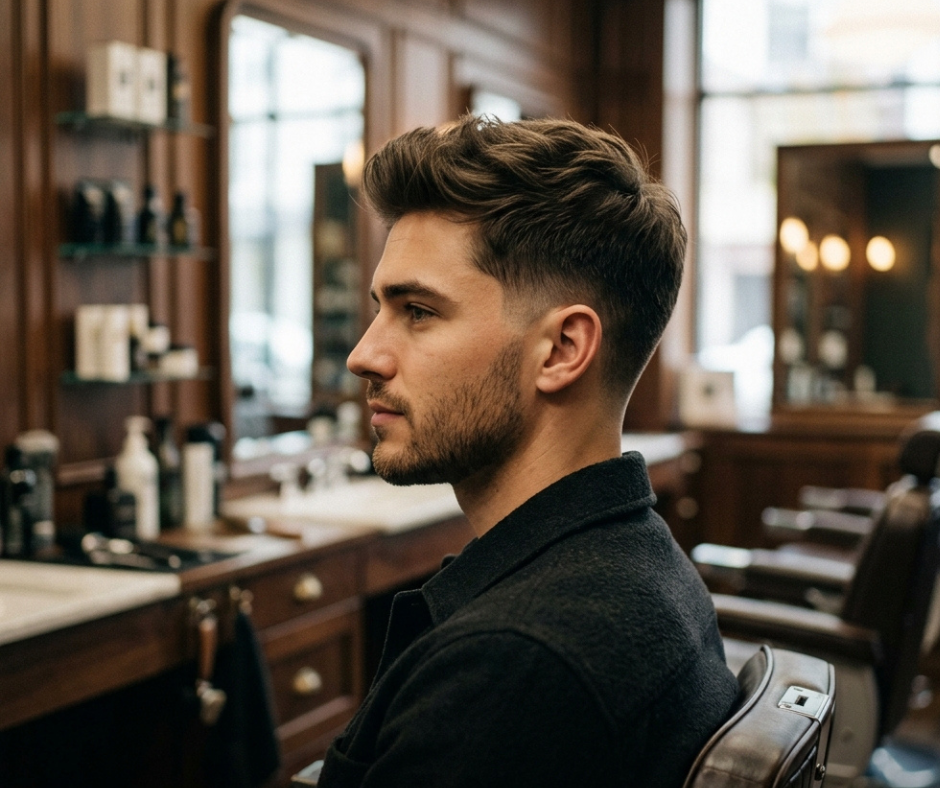
Clear communication is one of the easiest ways to improve your haircut experience. Instead of saying only that you want a mid taper fade, explain where you want the transition to begin, how short the bottom should be, and how much length you want on top.
For example, you could say, “I’d like a mid taper fade with a natural blend around the temples and neckline. Keep some length on the sides and leave the top textured.” If you want a skin fade, explain that you want the bottom taken down to bare skin. For a classic taper fade, ask the barber to preserve more fullness through the sides.
Clipper guard numbers can help, but you do not need to know every technical detail. A guard-1 finish leaves more hair than a bare-skin section, while guards 2, 3, and 4 generally leave progressively more length. Ask your barber to recommend suitable lengths if you are unsure.
Bringing a reference photo can make the consultation easier. Ideally, choose an image showing several angles and point out the details you like. Your barber can then adapt the style to your hairline, head shape, and natural texture rather than trying to copy a haircut that may not suit your features.
Frequently Asked Questions
Is a mid taper fade better than a skin fade?
Neither is universally better. A mid taper fade offers a flexible, balanced appearance, while a skin fade creates a closer finish with more visible contrast. Choose according to your style preferences and maintenance routine.
Is a mid taper fade the same as a mid fade?
Not necessarily. A mid fade describes the placement of the transition, while a mid taper fade emphasizes tapered detailing alongside a mid-level appearance. Barber terminology can vary, so explain your desired finish.
Which fade looks the most natural?
A classic taper or softer taper fade often creates a natural appearance because it preserves more hair around the sides and edges. However, a carefully blended mid fade can look natural too.
Which fade requires the least maintenance?
A softer taper fade often grows out more subtly than a skin fade. The ideal maintenance schedule depends on your hair growth and how sharp you want the edges to remain.
Can you get a mid taper fade with curly hair?
Yes. A mid taper fade works well with curly and coily hair when the barber preserves the natural curl pattern and blends the sides carefully.
Conclusion
Choosing between a mid taper fade, skin fade, and taper fade becomes easier when you understand the differences in placement, finish, and overall appearance. A mid taper fade offers versatility, a skin fade creates a crisp finish, and a taper fade provides a softer, more understated look.
Before your next appointment, consider your hair texture, preferred top length, and maintenance routine. Explain your expectations clearly and bring a reference photo whenever possible. The best haircut is the one that complements your features, suits your personal style, and remains easy to maintain.

Welcome to GamVexio! I’m Habib, a dedicated content writer with 1 year of experience in SEO, digital content, and website growth. I specialize in creating engaging, reader-friendly, and search-optimized content that helps websites reach a wider audience and strengthen their online presence.