
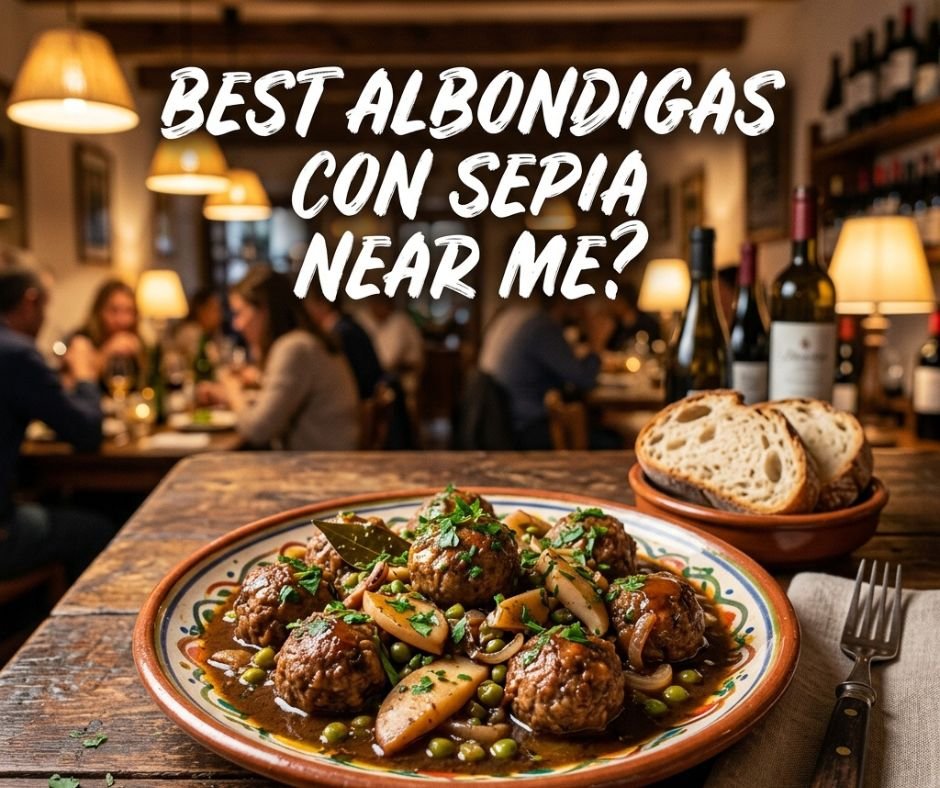

Craving something you can’t quite find at your usual Italian spot or seafood shack? If you’ve stumbled across albondigas con sepia on a menu or heard a friend rave about it, you’re chasing one of Spain’s most underrated comfort dishes.
Finding best albondigas con sepia near me searches isn’t always easy, though, because this dish doesn’t show up on every corner. This guide walks you through what the dish actually is, how to track down a restaurant that makes it right, and what to expect once you sit down to eat it.
What Is Albondigas Con Sepia?
Albóndigas con sepia translates simply to “meatballs with cuttlefish,” but the simplicity of the name hides a genuinely complex dish. You get tender meatballs, usually made from a blend of pork and beef, simmered slowly alongside pieces of cuttlefish in a rich tomato sauce built on olive oil, garlic, and Spanish spices. The result is a savory dish where land and sea meet in a single pot, and neither ingredient overpowers the other.
Fresh cuttlefish is the key differentiator here. Unlike squid, cuttlefish has a slightly firmer bite and a subtly sweeter seafood flavor that holds up well against a long-simmered sauce. When a kitchen uses quality ingredients and gives the dish enough time on the stove, the cuttlefish turns tender rather than rubbery, and the meatballs soak up all that Mediterranean flavor.
The Origin of Albondigas Con Sepia
This dish traces back to coastal Catalonia, where cooks have long practiced what’s known as “mar i muntanya,” or “sea and mountain” cooking. The idea is straightforward: combine ingredients from the ocean with ingredients from the land in one dish. Albondigas con sepia is one of the clearest examples of this traditional Catalan recipe style, and it remains a staple in home kitchens and neighborhood restaurants throughout the region today.
Why Albondigas Con Sepia Has Become So Popular in the USA
American diners have developed a real appetite for regional Spanish cuisine over the past several years, moving well beyond paella and sangria. Albondigas con sepia fits neatly into this shift because it delivers Mediterranean flavors in a format that feels familiar meatballs while introducing something new through the cuttlefish. That combination of comfort and novelty tends to win people over fast.
There’s also a practical reason for its rise: Spanish tapas restaurants have expanded steadily in major US cities, and tapas menus are built around exactly this kind of shareable, flavor-forward dish. As more diners look for authentic ingredients and dishes with a real story behind them, albondigas con sepia has moved from a niche order to something people specifically search for by name.
How to Find the Best Albondigas Con Sepia Near Me
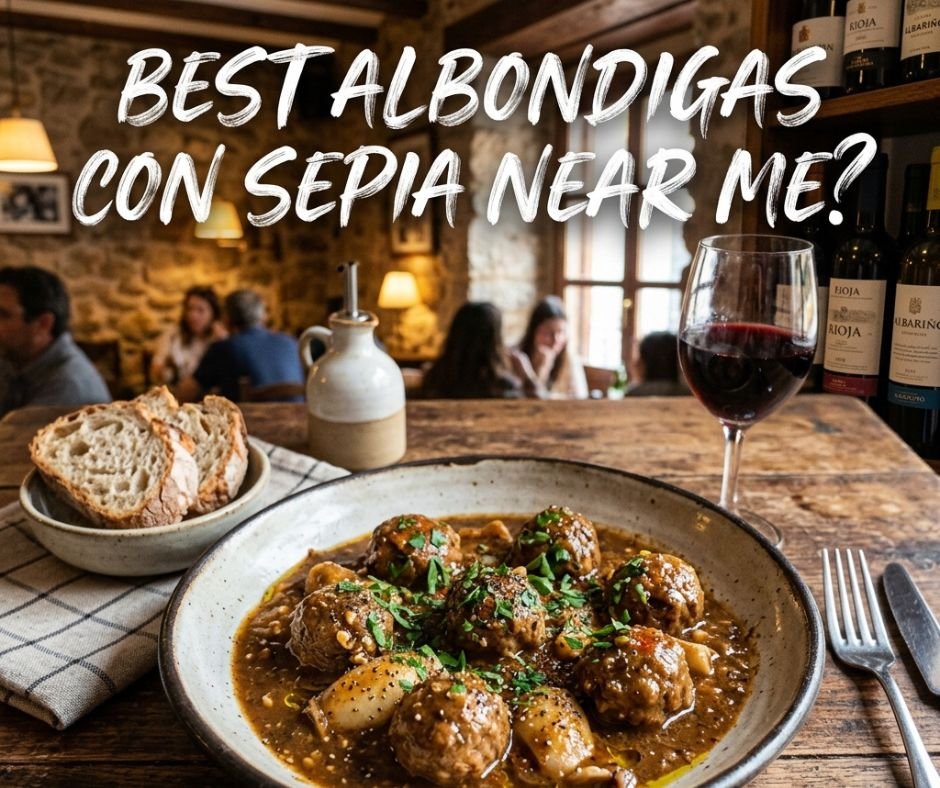
Locating a restaurant that actually serves this dish well takes a bit more effort than a generic search. Here’s a practical approach that saves you time and disappointment.
- Search with specific terms. Type “albondigas con sepia near me” or “Spanish restaurants near me” directly into Google Maps rather than a broad term like “tapas.”
- Filter by cuisine type. Narrow results to Spanish or Catalan restaurants specifically, since Mediterranean or “tapas-style” labels sometimes cover Greek or Italian spots with no connection to this dish.
- Read recent customer reviews. Search within reviews for the words “sepia” or “cuttlefish” to confirm the dish is actually on the current menu, not just an old listing.
- Check menu availability online. Many restaurants post current menus on their website or third-party delivery apps, which is faster than calling ahead.
Using Google Maps and Yelp Filters Effectively
Both Google Maps and Yelp let you search by keyword within a location, so typing “albondigas con sepia” directly into the search bar rather than just “Spanish food” often surfaces restaurants that specifically mention the dish in their menu data or reviews. This small trick cuts through a lot of noise and gets you closer to restaurants that treat the dish as a genuine specialty rather than an afterthought.
Checking Menus Online Before You Visit
Before you commit to a drive across town, pull up the restaurant’s menu through its website or a delivery platform. Confirm the dish is listed under tapas or main courses, and look at the description for mentions of tomato sauce, cuttlefish, or a Catalan-style preparation. This quick check prevents wasted trips to places that dropped the dish or never served it consistently.
What Makes a Restaurant’s Albondigas Con Sepia Authentic?
Authenticity in this dish comes down to a handful of specific markers you can actually look for. A kitchen using an authentic preparation method typically starts with a proper sofrito base onions, garlic, and tomato cooked down slowly rather than a shortcut sauce straight from a can. The sauce should have depth and a slightly rustic texture, not a smooth, overly sweet consistency that suggests mass production.
Sourcing matters just as much as technique. Restaurants committed to traditional Spanish flavors tend to buy whole cuttlefish and clean it in-house, which gives better texture control than pre-cut, frozen pieces. You’ll also notice authentic versions served in a cazuela, the traditional Spanish clay cooking dish, which retains heat and adds a rustic presentation that matches the dish’s origins.
Best Types of Restaurants for Albondigas Con Sepia Near You
Not every restaurant category treats this dish the same way, and knowing the differences helps set realistic expectations before you book a table.
| Restaurant Type | Authenticity Level | Typical Price Range | What to Expect |
| Traditional Spanish or Catalan tapas bar | High | $$ | Made-from-scratch sauce, whole cuttlefish, cazuela presentation |
| Upscale Mediterranean fusion restaurant | Moderate | $$$ | Refined plating, smaller portions, creative twists on the classic |
| Generic “Spanish-inspired” chain | Low | $$ | Pre-made sauce, frozen cuttlefish, inconsistent seasoning |
Local Spanish restaurants run by owners with direct ties to Spain or Catalonia are usually your safest bet for the real thing. Independent tapas bars, in particular, tend to keep traditional recipes close to their roots since that authenticity is often central to their identity and reputation in the local dining scene.
Albondigas Con Sepia Menu Prices: What Should You Expect?
Pricing for this dish varies based on portion size and where you’re dining. As a tapa-sized share plate, you’ll typically pay somewhere between $9 and $16, while a full entrée portion usually runs $18 to $28 depending on the restaurant’s overall price range and location. Restaurants in larger metro areas with higher rent naturally sit toward the top of that range.
Cuttlefish itself isn’t cheap, and that cost gets passed along to you. Seasonal availability affects pricing too, since fresh cuttlefish can be harder to source at certain times of year, pushing some kitchens toward frozen product or temporary menu removal. If you notice a restaurant offering the dish at a suspiciously low price, that’s often a sign they’re cutting corners on the cuttlefish or the sauce ingredients.
What Does Albondigas Con Sepia Taste Like?
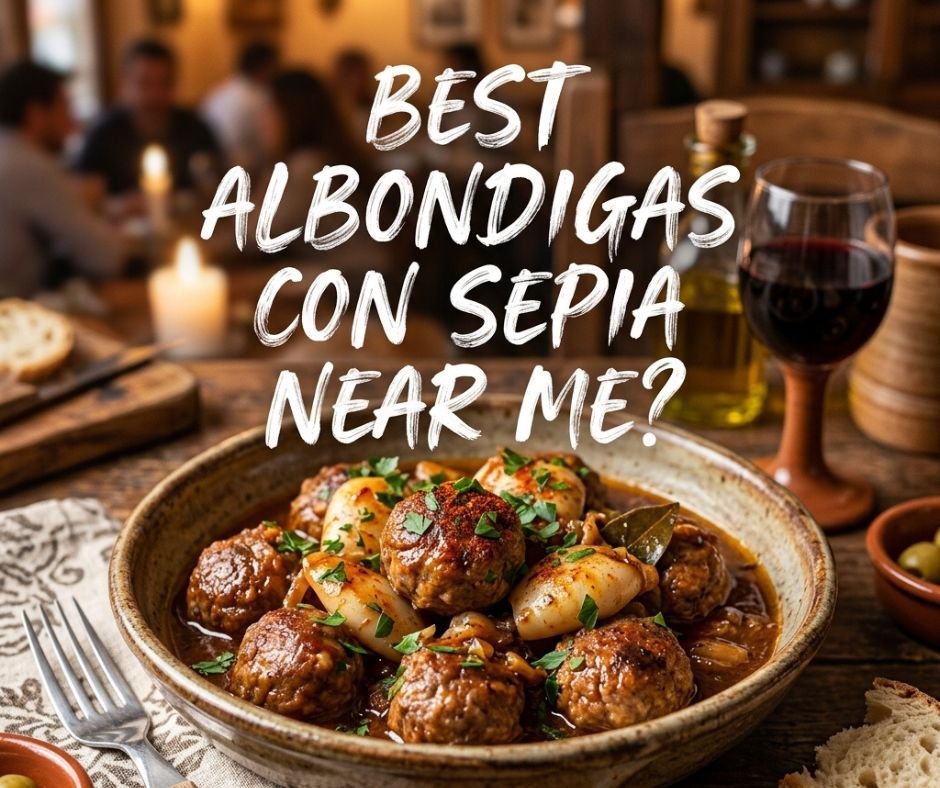
The flavor profile here is layered rather than straightforward, which is part of what makes the dish memorable. The meatballs themselves are savory and well-seasoned, carrying garlic, fresh herbs, and sometimes a touch of nutmeg or paprika depending on the cook’s approach. Meanwhile, the cuttlefish brings a mild seafood flavor with a slightly sweet edge that contrasts nicely against the richness of the meat.
The rich tomato sauce ties everything together, often deepened with a splash of white wine or brandy and finished with a picada — a blend of toasted almonds, garlic, and parsley ground into the sauce for extra body. The overall effect is comforting and hearty, closer to a stew than a light tapa, which is why many people order it as a shared main rather than a small starter.
What to Order and Pair With Albondigas Con Sepia
Rounding out your meal properly makes a real difference in how well the dish comes across, since Spanish dining is built around complementary flavors and shared plates.
Best Wine and Drink Pairings
A crisp, mineral-driven white wine like Albariño or Txakoli cuts nicely through the richness of the tomato sauce without competing with the cuttlefish’s delicate flavor. If you’d rather go sparkling, a dry cava offers similar acidity with a bit more festivity, and both options are commonly available at Spanish restaurants that take their wine list seriously.
Complementary Tapas to Order Alongside
Patatas bravas, with their crispy texture and spicy aioli, provide a nice contrast to the softer texture of the meatballs and cuttlefish. Pan con tomate, simple bread rubbed with fresh tomato and olive oil, works well as a palate cleanser between bites, and pimientos de padrón add a light, occasionally spicy vegetable option that rounds out a well-balanced tapas spread.
Dietary Considerations and Common Concerns
Cuttlefish falls under the mollusk category, which matters if you or someone at your table has a shellfish allergy, since reactions to mollusks can be just as serious as reactions to crustaceans. It’s worth mentioning this clearly to your server rather than assuming the kitchen will catch it automatically, since cross-contamination in a busy kitchen is a real possibility.
Gluten content depends heavily on the specific recipe. Some versions of the meatballs use breadcrumbs as a binder, which introduces gluten, while others rely on egg and finely ground meat alone. If you’re avoiding gluten, ask directly about the meatball binder and sauce thickener before ordering, since restaurants vary significantly in their preparation methods here.
Tips for Choosing the Right Restaurant Near You
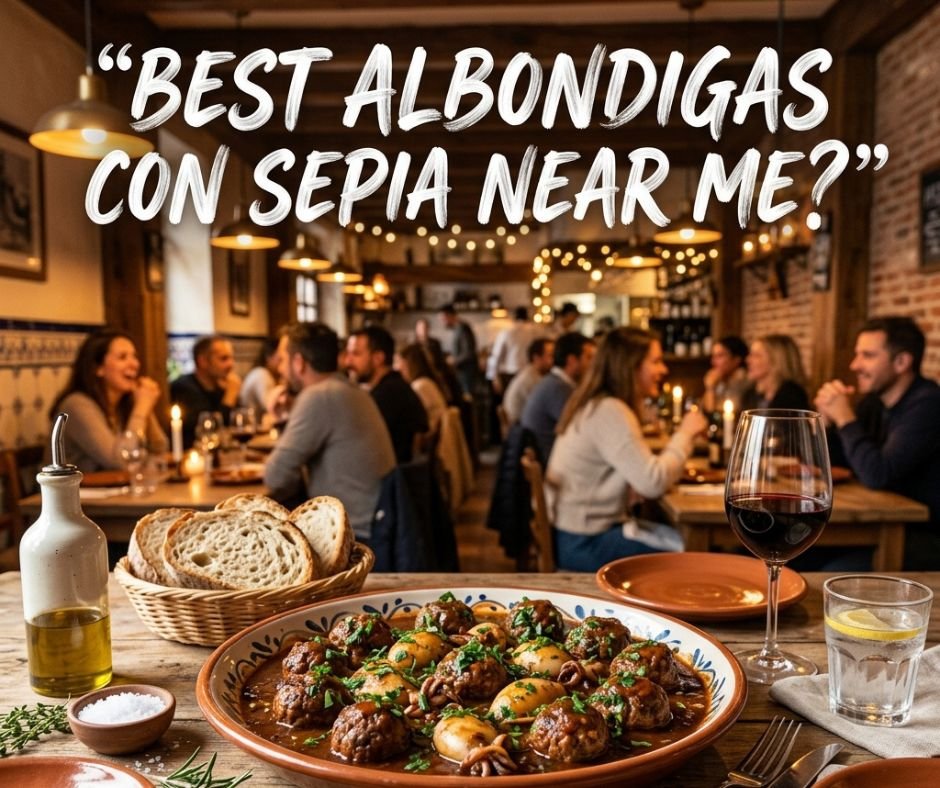
A few practical checks before you commit to a restaurant can save you from a disappointing meal. Start by reading recent customer reviews and restaurant ratings rather than relying on overall star averages alone, since older reviews may not reflect current kitchen staff or menu quality. Pay attention to comments specifically mentioning the texture of the cuttlefish or the depth of the sauce.
Calling ahead to confirm menu availability is also smart, particularly for smaller independent restaurants where seasonal dishes rotate. If delivery service or takeaway options matter to you, check whether the restaurant packages the dish well for transport, since sauce-based dishes don’t always travel as cleanly as drier entrées.
Red Flags to Watch For
A few warning signs suggest a kitchen isn’t handling this dish with the care it deserves. An overly sweet, ketchup-like sauce usually signals a shortcut recipe rather than a slow-cooked sofrito base. Rubbery or chewy cuttlefish typically means it was overcooked or came from a lower-quality frozen source, and meatballs that taste bland or overly dense often point to a pre-made, mass-produced product rather than homemade meatballs prepared fresh that day.
Can’t Find It Near You? How to Make Albondigas Con Sepia at Home
If your search for a nearby restaurant comes up empty, cooking the dish yourself is a completely reasonable backup plan. You’ll need ground pork and beef for the meatballs, fresh or thawed cuttlefish, canned crushed tomatoes, onion, garlic, olive oil, and a handful of Spanish pantry staples like smoked paprika and saffron. Most specialty grocery stores or larger seafood markets in major US cities carry fresh or frozen cuttlefish, and Spanish import shops often stock the specific paprika and saffron that give the dish its signature flavor.
The basic method involves browning seasoned meatballs, building a slow-cooked tomato sofrito, then simmering the cuttlefish directly in that sauce until tender, usually around 30 to 40 minutes. It’s a forgiving recipe for a first attempt, and it gives you a genuine sense of the flavors even before you track down a restaurant version.
FAQs
What is albondigas con sepia?
It’s a traditional Spanish dish combining meatballs, usually pork or beef, with cuttlefish simmered together in a rich tomato-based sauce.
Where can I find albondigas con sepia near me?
Search specifically for Spanish or Catalan restaurants using Google Maps or Yelp, and check recent reviews or online menus to confirm the dish is currently available.
Is albondigas con sepia a Spanish or Catalan dish?
It originates specifically from Catalonia, though it’s now served across Spain and at Spanish restaurants internationally, including many in the US.
What does sepia mean in Spanish food?
Sepia is the Spanish word for cuttlefish, a mollusk related to squid with a firmer texture and slightly sweeter seafood flavor.
What meat is traditionally used in albondigas con sepia?
Most traditional recipes use a blend of ground pork and beef, though some regional variations use pork alone.
Final Thoughts
Tracking down genuinely good albondigas con sepia takes a little more effort than searching for your average Italian meatball dish, but that effort pays off once you find a kitchen that treats it right. Focus on local Spanish restaurants with strong reviews specifically mentioning the dish, check menus before you go, and don’t hesitate to ask questions about preparation if dietary concerns are part of the picture. And if a good option simply isn’t nearby, you now have everything you need to bring this traditional Spanish comfort food into your own kitchen instead.

Welcome to GamVexio! I’m Habib, a dedicated content writer with 1 year of experience in SEO, digital content, and website growth. I specialize in creating engaging, reader-friendly, and search-optimized content that helps websites reach a wider audience and strengthen their online presence.



Good way of explaining, and pleasant paragraph to take information on the topic of my presentation subject, which i am going to convey
in college.
Good day! This post could not be written any better!
Reading this post reminds me of my previous
room mate! He always kept talking about this. I will forward this write-up to him.
Fairly certain he will have a good read. Thanks for sharing!
Have you ever thought about adding a little bit more than just your articles?
I mean, what you say is valuable and all. But think of
if you added some great visuals or video clips to give your posts more,
“pop”! Your content is excellent but with pics and
videos, this blog could undeniably be one of the most beneficial in its niche.
Excellent blog!
This design is steller! You certainly know how to keep a reader amused.
Between your wit and your videos, I was almost moved to start my own blog
(well, almost…HaHa!) Fantastic job. I really
loved what you had to say, and more than that, how you presented
it. Too cool!